There are places that can provide counseling, customized care, and support through medical alcohol detox so they can get back to living their best life. If you have any questions about substance abuse, contact Avenues Recovery’s professionals today. It is important to keep in mind that these tips may not work for everyone and that the best approach for dealing with night sweats will depend on the underlying cause.
Uncovering Alcohol-Induced Night Sweats Reasons
According to him, there are multiple reasons that can lead to this problem, and the amount of alcohol also has a major role to play. No points for guessing that high body temperature and increased heart rate are the biggest culprits here. Taking one glass of alcohol after another may cool you down mentally, but physically, you may feel the heat, quite literally! Once you understand the relationship between alcohol, excessive sweating, and hyperhidrosis, you are on your way to finding a better way to manage those potentially embarrassing nights out.
Immediate Effects of Alcohol
Alcoholism is a disease that affects more than 80 million people in the United States. Unfortunately, only 8 percent of those suffering from the disease will actually receive treatment. “The body gets rid of the rest through a process called oxidation, which breaks the toxins down into smaller parts,” White says. Contact us today to learn more about PharmChek®, the better, cleaner, and smarter option to detect drugs of abuse. If the sample is determined reliable for testing, the lab then analyzes the sample for evidence of drug use. Using the tweezers, the trained observer then places the pad in the provided sample bag, closing the bag with a security seal.

Staying Hydrated – A Key Aspect in Managing Night Sweats

If you’re experiencing night sweats from alcohol withdrawal, be prepared for an even stronger smell. As your body goes through the detox process, it expels toxins, leading to a pungent odor. Night sweats are one of the most common and uncomfortable symptoms people experience during alcohol detox and withdrawal. While these episodes can be distressing and disrupt sleep, they are typically alcohol sweat a temporary part of the body’s healing process as it adjusts to functioning without alcohol. Night sweats caused by alcohol withdrawal typically only last a few days.However, they can last longer in some people. How long they last depend on the severity of withdrawal symptoms, ranging from mild to life-threatening.
Alcohol-Induced Night Sweats: What They Are and How To Stop Them
The optional PharmChek® Overlay can be applied to extend the wear period, which can vary depending on the individual. Plus, we’re always introducing new features to optimize your in-app experience. We recently launched our in-app chatbot, Melody, powered by the world’s most powerful AI technology. Melody is here to help as you adjust to a life with less (or no) alcohol.
DBT’s emphasis on acceptance and change in addiction treatment
Drinking alcohol can lead to an increase in skin blood flow and chest sweat rate, causing a decrease in deep body temperature compared to the control group. This increase in skin https://imgonline.com.br/2022/02/21/alcoholic-neuropathy-cause-symptoms-treatment/ blood flow and perspiration triggers a cooling effect on the body. However, this mechanism can also result in night sweats as the body’s attempt to regulate its temperature. If you use alcohol for a long period of time, your body can become dependent on alcohol.
Duration of Inpatient Alcohol Rehabilitation: Understanding Length of Stay Options
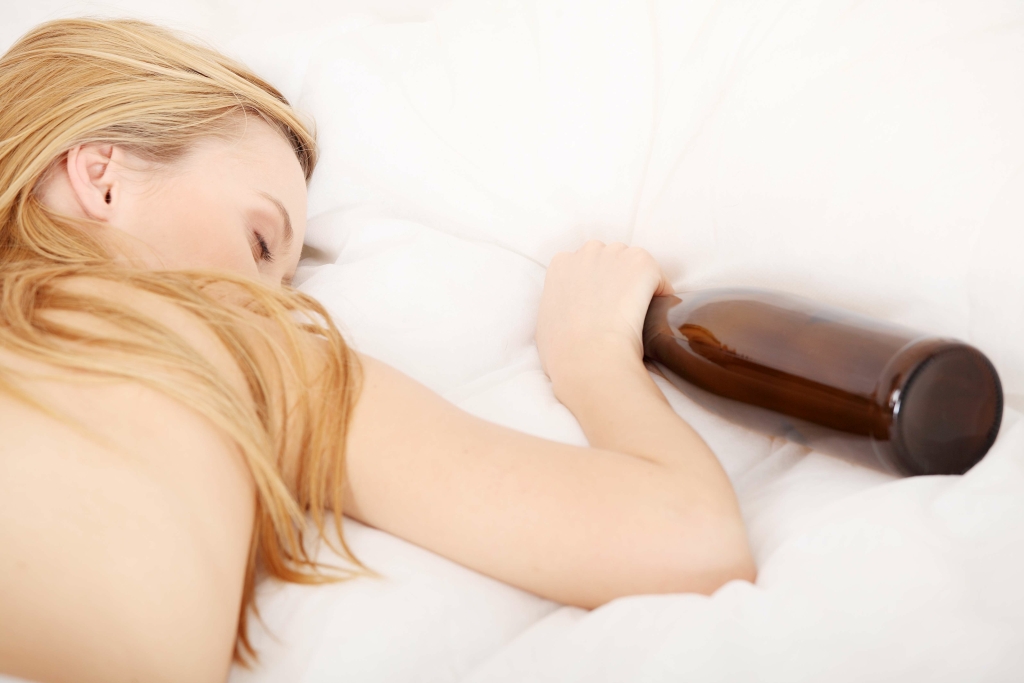
Alcohol night sweats occur when your body experiences excessive perspiration during sleep after consuming alcohol. This phenomenon is different from normal sweating and typically happens hours after drinking, often disrupting sleep quality and leaving sheets and clothing soaked by morning. This condition, known as alcohol intolerance, may be due to a lack of aldehyde dehydrogenase, an enzyme necessary to break down alcohol. Symptoms include skin flushing, excessive sweating and gastrointestinal distress. While alcohol sweat can be a symptom of heavy drinking and alcohol dependence, it is not always indicative of alcoholism. It is important to consider other factors such as overall health and lifestyle.
As the body metabolizes alcohol, blood vessels dilate, which leads to increased blood flow and heat in the body. Some people’s bodies react more to alcohol than others, and if you already have a tendency towards hyperhidrosis, this effect may seem a bit over the top. If you drink heavily and experience night sweats after stopping alcohol use, it could be a sign of alcohol withdrawal. As the heart rhythm becomes too fast and irregular, the blood vessels in the skin widen. During vasodilation, the skin becomes flushed due to dilated blood vessels, and severe sweating occurs. These could be signs of delirium tremens (DTs), a severe and potentially fatal form of alcohol withdrawal that requires emergency intervention.
Ignoring or dismissing these symptoms could lead to further health complications and hinder your overall quality of life. By adhering to these guidelines, individuals can help regulate their body temperature and potentially minimize the occurrence of alcohol-related night sweats. Prolonged alcohol misuse can lead to serious health consequences, including liver damage, heart problems, weakened immune system, and increased risk of certain cancers.
- These flashes are sudden feelings of extreme body heat that can occur during the day or night.
- Delirium tremens can be life-threatening and demands immediate medical attention.
By reducing your alcohol consumption, managing common symptoms, and seeking professional Sober living home guidance, you can begin your recovery journey and protect your long-term health. Even one alcoholic beverage may cause alcohol intolerance reactions like facial flushing and excessive sweating. If you are experiencing night sweats regularly after you drink alcohol, it may be a sign of alcohol addiction or long-term alcohol abuse.